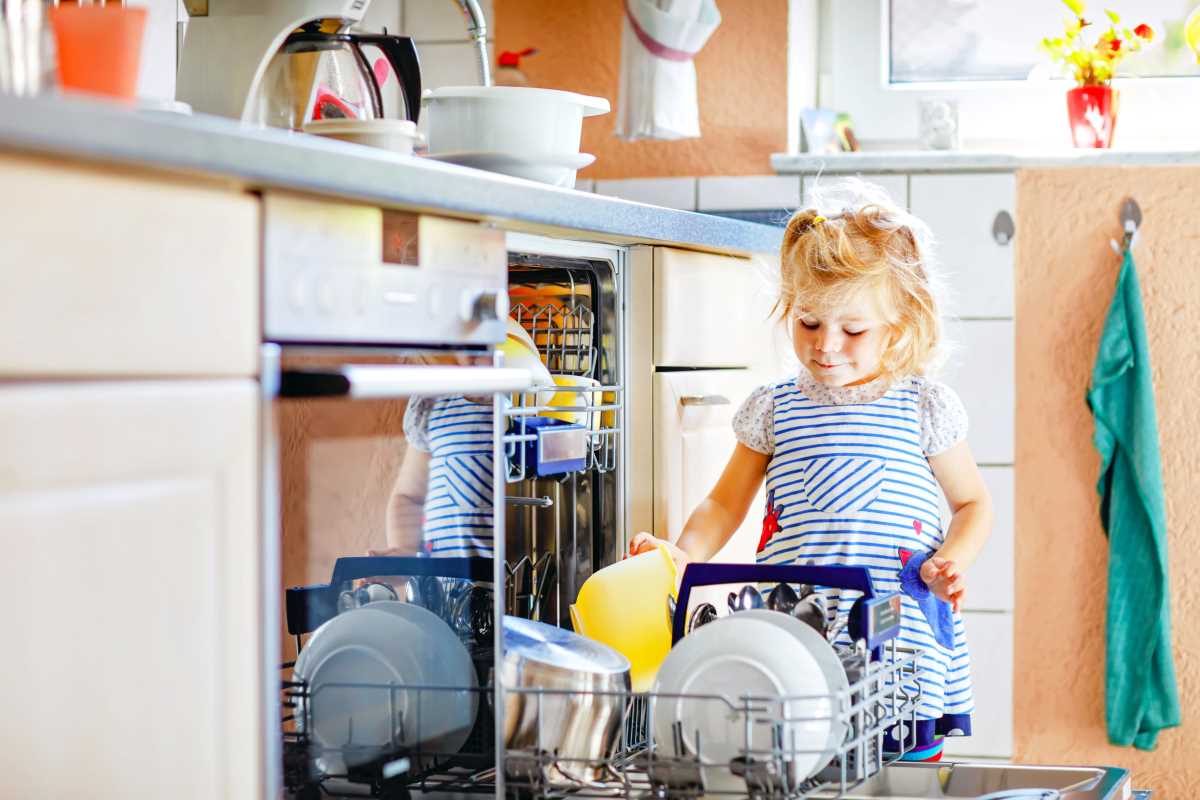
Getting everyone excited about tidying up feels like an endless mission for many homes. You might see lists hanging on the fridge, or sticky notes scattered by the laundry hamper, but motivation often fades within days. A well-designed chore chart can turn routines into simple habits, sparking a sense of ownership across ages. When each person picks tasks that suit their strengths and interests, daily responsibilities shift from chores to shared wins.
Charting progress brings a visual kick, whether it’s a row of stickers for a freshly made bed or tally marks toward a monthly reward. You’ll notice how tracking small victories inspires confidence in younger hands and keeps teens on track. Adults, too, find satisfaction in ticking off tasks. Crafting charts that feel fair and fun unlocks a cooperative spirit and leaves more free time for moments that really matter.
Why Chore Charts Work for Everyone
At the heart of a good chart lies clear communication. Charts make tasks visible and expectations set in plain sight. Families build trust when everyone sees the plan for the week and knows who handles dishes, laundry or vacuuming. Accountability becomes part of the daily routine, not a surprise reminder at dinner time.
Bullet points highlight core benefits:
- Clarity keeps disagreements at bay by outlining who does what and when.
- Progress tracking boosts confidence as each person marks off completed work.
- Positive routines rise up when chores connect to rewards or privileges.
- Responsibility scales up with age, teaching younger kids and teens real-life skills.
10 Creative Chore Chart Ideas
Finding a style that clicks for each household lets everyone view chores as part of a team effort. Mix colors, incentives and variety to keep interest alive.
- Color-Coded Magnet Board: Assign each person a color. Move magnets to an “Done” column as tasks finish.
- Sticker Reward Tree: Draw a simple tree on poster paper. Let kids add a sticker leaf after each chore, growing their own leafy forest.
- Chore Jar Draw: Write daily tasks on popsicle sticks in a jar. Each morning, family members pick a stick to reveal their mission.
- Printable Fill-in Grid: Score charts you print from free templates online and pencil in custom chores.
- Digital App Tracker: Use ChoreMonster or other family task apps that send reminders and award virtual coins.
- Reward Ladder Poster: Sketch a ladder with rungs tied to prizes like a movie night or extra screen time.
- Daily Bingo Card: Create a bingo grid of chores—clearing the table, sweeping floors, making beds. Call “Bingo!” when a row fills.
- Kitchen Chalkboard Board: Divide a chalkboard into days of the week and list tasks with space to check off each job.
- Task Token Tokens: Hand out physical tokens for chores that kids deposit into a glass jar. Count tokens weekly for rewards.
- Interactive Family Calendar: Circle chores on a big wall calendar, then embellish with doodles or motivational notes.
Tips for Easy Implementation
Rolling out a new system needs a simple launch. Start with a quick family huddle and explain how the chart works. Let everyone choose one or two chores that fit their daily rhythm. When people feel heard, they’ll join the effort without grumbling.
- Post the chart in a high-traffic spot so it never hides.
- Keep it flexible—swap tasks weekly to avoid boredom.
- Celebrate small wins with a quick high-five or verbal praise right away.
- Pair chore time with upbeat music or a short podcast to set a positive mood.
Customizing Charts for Different Ages
Children and teens need distinct levels of guidance. Break down tasks for younger kids into bite-sized steps—“put toys away” becomes “pick three toys, place them in the bin, then give a thumbs-up.” Older teens can juggle more independent chores like meal prep or lawn care.
- Preschoolers: Use pictures or stickers instead of words.
- Elementary-aged: Write simple phrases and let them decorate their chart with markers.
- Young teens: Offer rotating responsibilities, such as cooking or car washes, with clear deadlines.
- Older teens and adults: Include self-directed items like budgeting or deep-cleaning bathrooms.
Adjust reward levels too. A six-year-old might earn a small treat, while a teen might bank points toward a bigger monthly outing. Tailoring tasks to skill and interest keeps everyone engaged.
Troubleshooting Common Challenges
Even the best charts hit rocky patches. When kids lose interest, switch up incentives or personal touches—let them pick the next reward. If teens push back, invite them to redesign a section of the chart. Ownership sparks motivation.
Address missed chores by introducing short check-ins rather than lengthy lectures. Ask what part felt too tough—sometimes a chore flops simply because a kid needs a better tool or clearer instructions. Fine-tune tasks and celebrate each time someone keeps up with the plan.
When adults lag behind, treat chores like appointments: set alarms or calendar alerts. Sharing your own progress in the same chart shows that no one gets a free pass, and teamwork becomes real.
Keep edits small and timely. Regularly ask for feedback and adjust colors, layout or rewards. This ongoing process cements the chart as a living guide instead of gathering dust.
Implementing a thoughtful chart settles chore anxiety and brings in a sense of shared purpose. A simple system reminds everyone of their roles, perks and progress. With consistent check-ins and personal tweaks, you’ll find that household responsibility feels less like a burden and more like a collaborative win.